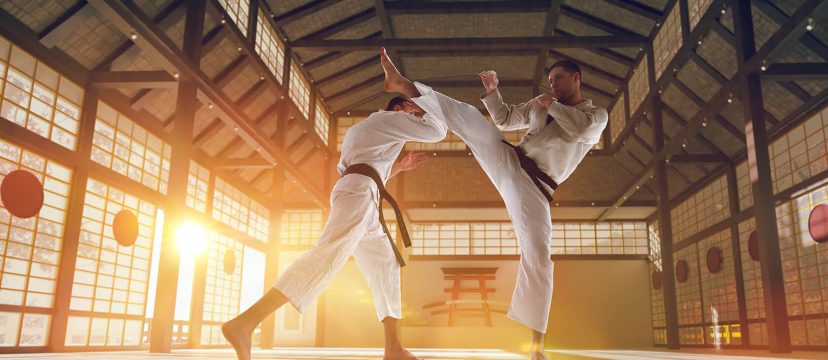
Martial arts have long fascinated people around the world, not only for their physical prowess but also for the mental and spiritual discipline they instill. Originating from various regions such as Asia, Africa, and Europe, martial arts encompass a wide range of fighting styles and techniques. Throughout history, they have been practiced for self-defense, sport, and personal development. In recent years, martial arts have gained popularity not only as combat sports but also as a means to improve physical fitness, mental focus, and overall well-being.
While each martial art has its own unique techniques and philosophies, they all share the common goal of refining the body and mind. Martial arts training is not solely about learning how to fight, but rather about cultivating qualities like discipline, respect, patience, and humility. Through regular practice, individuals can develop physical strength, agility, and flexibility while also enhancing their mental resilience and self-confidence.
The Physical Benefits of Martial Arts
Engaging in martial arts offers a multitude of physical benefits, making it an ideal form of exercise for people of all ages and fitness levels. From improved cardiovascular health to enhanced muscular strength, martial arts training provides a full-body workout that targets various muscle groups and promotes overall physical fitness. The rigorous and repetitive nature of martial arts movements helps to increase endurance, stamina, and flexibility. Regular practice can also lead to weight loss, as martial arts training burns calories and helps individuals maintain a healthy body composition.
Martial arts training also has numerous benefits for cardiovascular health. The high-intensity nature of many martial arts workouts elevates heart rate and improves cardiorespiratory fitness. This can result in a stronger heart, lowered blood pressure, and improved overall cardiovascular function. Additionally, the combination of aerobic and anaerobic exercises in martial arts helps to improve lung capacity and increase oxygen intake.
In addition to the physical benefits, martial arts also provide a range of mental and emotional rewards. The disciplined nature of training helps individuals develop focus, concentration, and mental resilience. As they progress in their martial arts journey, practitioners learn to overcome challenges and push past their limits, fostering a sense of self-confidence and inner strength.
Martial arts also instill important values such as respect, discipline, and humility. Practitioners are taught to treat their instructors and fellow students with reverence and to approach every training session with an open mind and willingness to learn. These values extend beyond the training environment and can have a positive impact on other areas of life, such as school, work, and relationships.
Furthermore, martial arts serve as an effective means of stress relief. The rigorous physical activity involved in training helps release endorphins, which can improve mood and reduce symptoms of stress and anxiety. The focus required during training also provides a break from daily worries and allows practitioners to clear their minds and find a sense of peace.
In conclusion, martial arts offer a comprehensive approach to physical fitness, mental well-being, and personal development. Whether it is for self-defense, sport, or personal growth, engaging in martial arts can have transformative effects on individuals of all ages and backgrounds. By embracing the physical, mental, and spiritual aspects of martial arts, practitioners can cultivate not only their bodies but also their minds in pursuit of a more balanced and fulfilled life.