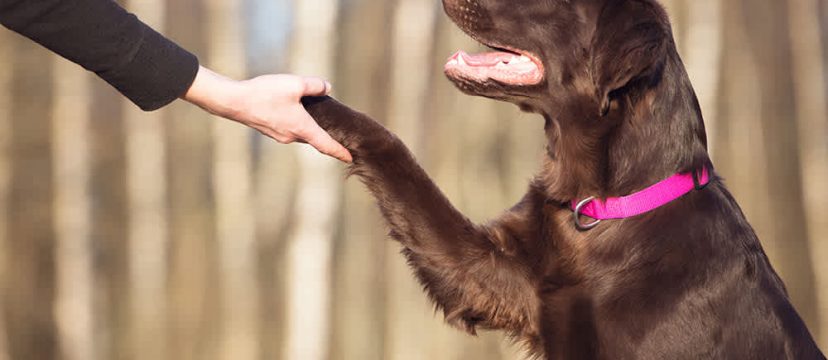
Dog training is an essential part of ensuring your furry friend behaves well and can coexist harmoniously with you and your family. Whether you have a new puppy or an older dog who needs some guidance, proper training techniques can help improve their behavior and strengthen the bond between you and your canine companion.
From basic obedience commands like sit and stay to more advanced skills such as leash walking and off-leash commands, dog training can provide numerous benefits for both you and your pet. In this article, we will explore the importance of training your dog, different methods and approaches you can use, and tips for overcoming common training challenges. By investing time and effort into training your dog, you can create a well-behaved and happy pup that brings joy to your life every day.
The Importance of Consistent Training
Consistency is key when it comes to training your dog. By setting clear expectations and enforcing rules consistently, you can help your furry friend understand what behaviors are acceptable. This will not only make your life easier but also create a sense of security and structure for your pet. Dog training in College Park can provide professional guidance and support to ensure you are using the most effective training techniques tailored to your dog’s specific needs.
Effective Training Techniques and Tips
When it comes to training your dog, positive reinforcement is often the most effective method. By rewarding good behavior with treats, praise, or playtime, you can encourage your pet to repeat those behaviors in the future. It’s also important to be patient and consistent, as learning new skills takes time. Remember, every dog is unique, so be sure to tailor your training techniques to suit your dog’s individual personality and temperament. With the right approach and dedication, you can enjoy a well-trained and well-behaved dog that enriches your life every day.
Overcoming Training Challenges
While training your dog can be a rewarding experience, it may also come with its fair share of challenges. Common obstacles include distractions, stubborn behavior, and lack of motivation. To overcome these challenges, it’s important to stay patient and persistent, while also seeking guidance from professional trainers if needed. Remember to keep training sessions short and enjoyable, and always end on a positive note. With time, consistency, and a positive attitude, you can navigate through any challenges that may arise during the training process and ultimately enjoy a well-behaved and happy canine companion for years to come.