A heat pump is an essential component of a home’s heating and cooling system, responsible for regulating indoor temperature and ensuring year-round comfort. However, like any other mechanical device, a heat pump has a limited lifespan and will eventually need to be replaced. Heat pump replacement is a significant decision that homeowners may have to make, and it’s important to understand the signs that indicate when replacement is necessary.
Over time, heat pumps can become less efficient and start to experience performance issues. A decrease in efficiency can result in higher energy bills and reduced comfort levels in the home. Additionally, older heat pumps may not meet current energy efficiency standards, leading to further inefficiencies. This article explores the various signs that indicate a heat pump is due for replacement, allowing homeowners to make informed decisions about upgrading their heating and cooling systems.
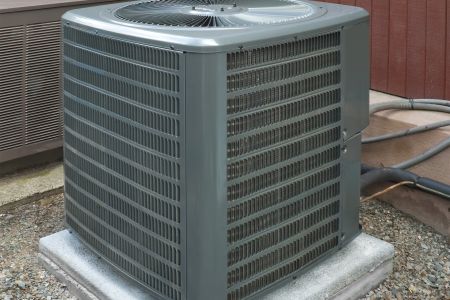
Signs of a Failing Heat Pump
There are several telltale signs that indicate a heat pump is due for replacement. One common sign is a significant increase in energy bills. As heat pumps age, they can become less efficient, resulting in higher energy consumption and inflated utility costs. If homeowners notice a sudden spike in their energy bills, it may be an indicator that their heat pump is struggling to perform efficiently.
Heat pump replacement for Improved Comfort
In addition to higher energy bills, a failing heat pump can also lead to reduced comfort levels inside the home. Homeowners may notice uneven heating or cooling throughout different areas of the house, indicating that the heat pump is no longer effectively regulating the indoor temperature. This inconsistency can make certain rooms feel too hot or too cold, leading to discomfort for the occupants. Upgrading to a new heat pump can provide improved comfort and consistent temperature control throughout the entire home.
When considering heat pump replacement, it is important for homeowners to be aware of the signs that indicate a failing heat pump. One significant sign is an increase in energy bills. As heat pumps age and become less efficient, they consume more energy, resulting in higher utility costs for homeowners. Another indicator of a failing heat pump is reduced comfort levels inside the home. Uneven heating or cooling throughout different areas of the house can suggest that the heat pump is no longer effectively regulating the indoor temperature. This inconsistency can lead to discomfort for occupants, making it necessary to upgrade to a new heat pump for improved comfort and consistent temperature control throughout the entire home.