Tourism tax, also known as visitor tax or accommodation tax, is a levy imposed on tourists or visitors by various governments or local authorities. It is collected in addition to the cost of transportation, accommodation, and other services provided to tourists. The primary purpose of imposing a tourism tax is to generate revenue that can be used for the development and maintenance of tourist attractions, infrastructure, and services to enhance the overall experience for visitors.
Tourism taxes can vary in terms of their structure and rates, depending on the country or region. They may be calculated per person, per night of stay, or as a percentage of the total cost of accommodation. The revenue generated from tourism taxes can be allocated towards initiatives such as the improvement of public amenities, preservation of historical sites, promotion of tourism campaigns, and investment in sustainable tourism practices.
The imposition of a tourism tax is a matter of debate among stakeholders in the travel industry. Some argue that it provides a crucial source of funding for maintaining tourist destinations and ensuring the long-term sustainability of the industry. On the other hand, critics claim that such taxes can deter tourists from choosing a particular destination due to increased costs. Balancing these perspectives is essential to devise an optimal tourism tax policy that addresses both financial needs and attractiveness to visitors.
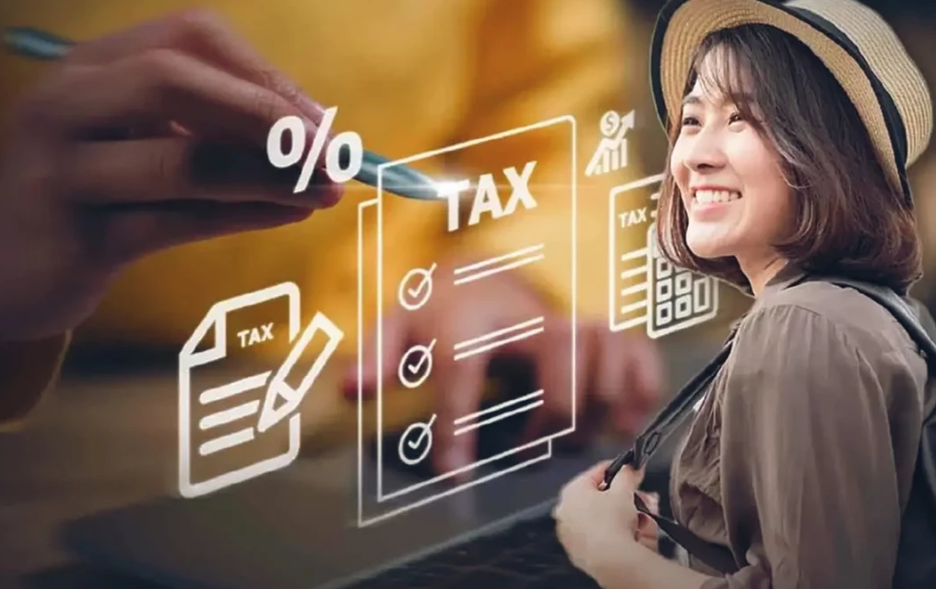
Benefits of Tourism Tax
One of the key benefits of implementing a tourism tax is the additional revenue that it generates for the destination. This revenue can be used to develop and maintain tourist attractions, improve infrastructure, and enhance the overall visitor experience. By imposing a tax on tourists, governments and local authorities can ensure a sustainable funding source for the preservation of historical sites, the promotion of tourism campaigns, and investment in sustainable practices.
Moreover, a tourism tax can contribute to the long-term sustainability of the industry. It provides crucial funding for the maintenance and improvement of public amenities that are essential for attracting and retaining visitors. Without adequate funding, tourist destinations may struggle to meet the growing demands and expectations of travelers. By establishing a tourism tax, destinations can secure a reliable source of income that will support their ability to continuously enhance their offerings.
The Application Form for Visitax can be accessed online, making it convenient for visitors to comply with the taxation requirements. This streamlined process helps ensure that the tax collection is efficient and effective while minimizing any inconvenience to tourists.
In addition to the financial benefits, a tourism tax can also help in managing the impact of mass tourism on local communities and the environment. By implementing a tax, destinations can regulate visitor numbers and encourage more sustainable tourism practices. This can help prevent overcrowding, reduce carbon emissions, and promote responsible travel behaviors.
Furthermore, a tourism tax can act as a tool for destination management and planning. It allows governments and local authorities to collect data on the number of tourists visiting a particular area, which can then be used to make informed decisions about infrastructure development, resource allocation, and marketing strategies. This data-driven approach ensures that destinations are able to effectively manage the demands and needs of tourists, thereby maximizing the benefits they bring while minimizing any negative impacts.
In conclusion, while the imposition of a tourism tax may be regarded as controversial by some, its benefits cannot be denied. From generating additional revenue for investment in tourist attractions and services to promoting sustainable practices and managing visitor numbers, a well-designed and balanced tourism tax policy can contribute to the long-term sustainability and success of a destination. By considering the perspectives of all stakeholders and finding the right equilibrium, governments and local authorities can create a taxation system that supports both financial needs and attractiveness to visitors.